The Digital Marketing Landscape in 2026: Trends, Technologies, and Strategies
Introduction: Marketing in a New Era
The digital marketing landscape of 2026 bears little resemblance to the ecosystem of just a few years ago. Rapid technological advancement, shifting consumer expectations, and evolving privacy regulations have fundamentally transformed how businesses connect with their audiences. Today's marketers must navigate a complex environment where artificial intelligence, hyper-personalization, and data privacy coexist as both opportunities and challenges. Understanding this landscape is essential for any organization seeking to build meaningful relationships with customers and drive sustainable growth.
One of the most significant developments in 2026 is the complete integration of AI throughout the marketing funnel. From predictive analytics that anticipate customer needs to generative AI that creates personalized content at scale, artificial intelligence has become an indispensable tool for modern marketers. However, the human element remains equally important—consumers increasingly value authenticity and genuine human connection. The most successful marketing strategies in 2026 strike a careful balance between technological efficiency and authentic human engagement.
Privacy-first marketing has also become the new normal. With third-party cookies being phased out and consumers becoming more conscious of their data, marketers have had to adapt their approaches dramatically. First-party data strategies, contextual targeting, and transparent consent management are now foundational to any successful marketing operation. This evolution has actually benefited both businesses and consumers, creating more trust-based relationships and more relevant marketing experiences.
AI and Automation: The New Marketing Engine
Artificial intelligence has evolved from a buzzword to a core component of digital marketing operations in 2026. AI-powered tools now handle everything from content creation and email personalization to budget optimization and campaign performance prediction. Machine learning algorithms analyze vast datasets to identify patterns, predict consumer behavior, and make real-time adjustments to campaigns that would be impossible for human teams to execute manually. This automation dramatically increases efficiency while also improving results through data-driven decision making.
Generative AI has emerged as a particularly transformative force in content marketing. Marketers now use AI to generate first drafts of blog posts, social media content, email newsletters, and even video scripts. However, the most successful organizations treat AI as a creative partner rather than a replacement. Human oversight ensures that content maintains brand voice, aligns with strategic objectives, and delivers genuine value to audiences. AI-driven content creation reduces production time and costs, enabling smaller businesses to compete with larger enterprises in content marketing.
Predictive analytics powered by AI has also revolutionized how marketers approach their strategies. By analyzing historical data, customer behavior patterns, and external factors, AI can forecast which campaigns will perform best, which audiences are most likely to convert, and where to allocate budgets for maximum ROI. This capability enables marketers to be proactive rather than reactive, anticipating market trends and customer needs before they become obvious. The result is more efficient marketing spend, higher conversion rates, and stronger customer relationships.
Hyper-Personalization and Customer Experience
In 2026, consumers expect marketing that speaks directly to their individual needs, preferences, and context. Generic, one-size-fits-all marketing messages are largely ineffective as audiences have become adept at filtering out irrelevant content. Hyper-personalization leverages data, AI, and real-time technology to deliver experiences that feel uniquely tailored to each individual. This includes personalized product recommendations, customized email content, dynamic website experiences, and targeted advertising that reflects the user's specific interests and behavior.
Customer experience (CX) has become the primary differentiator for brands across all industries. With products and services becoming increasingly commoditized, the quality of the overall experience often determines customer loyalty and advocacy. Marketers now work closely with customer service, product development, and user experience teams to ensure consistent, positive interactions across every touchpoint. This integrated approach recognizes that marketing doesn't end with a sale—it encompasses the entire customer journey from awareness to advocacy.
Interactive and immersive content formats have gained significant traction in 2026. Augmented reality (AR) experiences, interactive videos, shoppable content, and personalized quizzes engage users more deeply than passive content consumption. These interactive elements not only capture attention but also provide valuable data about user preferences and behavior. For businesses, this means more engaging marketing that generates better insights for future campaigns. For consumers, it means more entertaining and useful brand interactions.
Privacy, Ethics, and Trust-Based Marketing
Consumer data privacy has become a defining issue of the digital age, and 2026 marketing strategies reflect this reality. With increasingly stringent regulations like GDPR, CCPA, and new privacy laws emerging globally, marketers must navigate a complex legal landscape. Beyond compliance, however, is the fundamental need to build trust. Consumers are more likely to engage with brands that are transparent about their data practices, offer clear consent options, and respect user privacy preferences. Privacy-first marketing is not just a legal requirement—it's a competitive advantage.
First-party data has become the most valuable asset for modern marketers. Organizations that own direct relationships with their customers—through email signups, loyalty programs, app usage, and direct site visits—can collect high-quality, consented data without relying on third-party cookies. This shift has encouraged brands to invest more heavily in community building, loyalty programs, and value-exchange relationships where customers willingly share data in exchange for better experiences, rewards, or exclusive content. The quality of first-party data often exceeds that of third-party data in terms of accuracy and relevance.
Ethical marketing has also taken center stage as consumers increasingly expect brands to take stands on social and environmental issues. Performative activism is quickly identified and punished, while authentic commitment to values can significantly enhance brand loyalty. Marketers in 2026 must ensure that their campaigns are not only effective but also honest, inclusive, and socially responsible. This means avoiding greenwashing, ensuring diverse representation in marketing materials, and being honest about product claims. Trust, once broken, is difficult to rebuild in the connected age of digital marketing.
Emerging Channels and Platforms
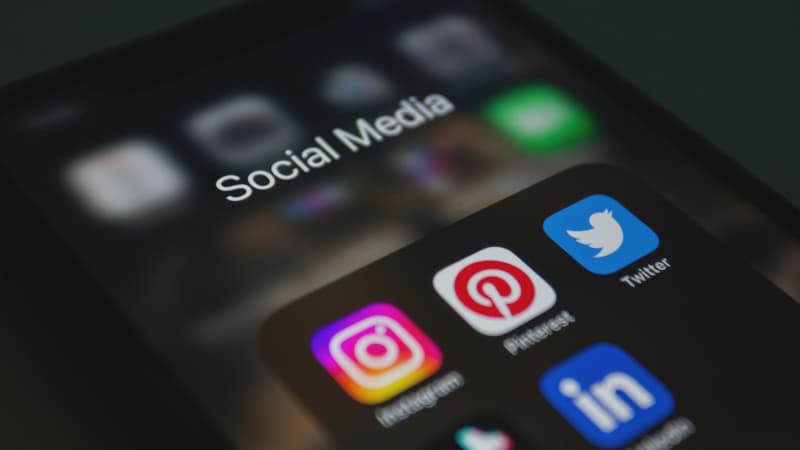
The social media landscape has continued to evolve in 2026, with new platforms gaining prominence while established networks adapt to changing user preferences. Short-form video remains dominant, with platforms offering increasingly sophisticated editing tools, AI-powered recommendations, and seamless shopping integration. Audio content—including podcasts, social audio, and voice search—continues to grow as users seek hands-free, multitasking-friendly content consumption. For marketers, understanding the unique audience, content style, and advertising capabilities of each platform is essential for effective channel selection and resource allocation.
The rise of the metaverse and immersive digital experiences has opened new frontiers for brand engagement. While still evolving, virtual environments, digital twins, and mixed reality experiences offer innovative ways for brands to connect with consumers. Early adopters are experimenting with virtual product launches, immersive brand experiences, and digital events that transcend geographical boundaries. Though not yet mainstream for all businesses, these technologies represent a significant opportunity for brands seeking to differentiate themselves and reach digitally native audiences.
Search engine optimization (SEO) has also undergone a significant transformation in 2026. AI-powered search engines now prioritize understanding user intent and delivering comprehensive, trustworthy answers rather than simple keyword matching. This shift has placed greater emphasis on content quality, authority, and user experience. Voice search and visual search have also matured, requiring marketers to optimize for conversational queries and image-based discovery. The integration of AI across all search platforms means that the fundamentals of creating genuinely valuable, well-structured content are more important than ever.
Conclusion: Thriving in 2026
The digital marketing landscape of 2026 is characterized by unprecedented technological capability combined with rising expectations for authenticity and responsibility. Marketers who thrive are those who embrace AI and automation while never losing sight of the human connections that drive lasting brand loyalty. They prioritize data privacy and transparency, recognizing that trust is the foundation of customer relationships. They create immersive, personalized experiences that resonate deeply with diverse audiences.
Small businesses and nonprofits have unique opportunities in this environment. While they may lack the massive budgets of larger enterprises, they can leverage the same AI-powered tools, personalization capabilities, and emerging channels to compete effectively. Their authentic stories, community focus, and agility often give them advantages in building genuine connections with audiences. By understanding the trends shaping the digital landscape, smaller organizations can develop marketing strategies that punch above their weight.
Ultimately, the digital marketing landscape in 2026 rewards those who combine strategic thinking with technical excellence. Success requires continuous learning, experimentation, and adaptation. Whether you're an established marketing team or a small business owner just starting your digital journey, staying informed about these trends and investing in the right capabilities will position you for sustained growth. The opportunities are immense for those willing to embrace the evolution.